
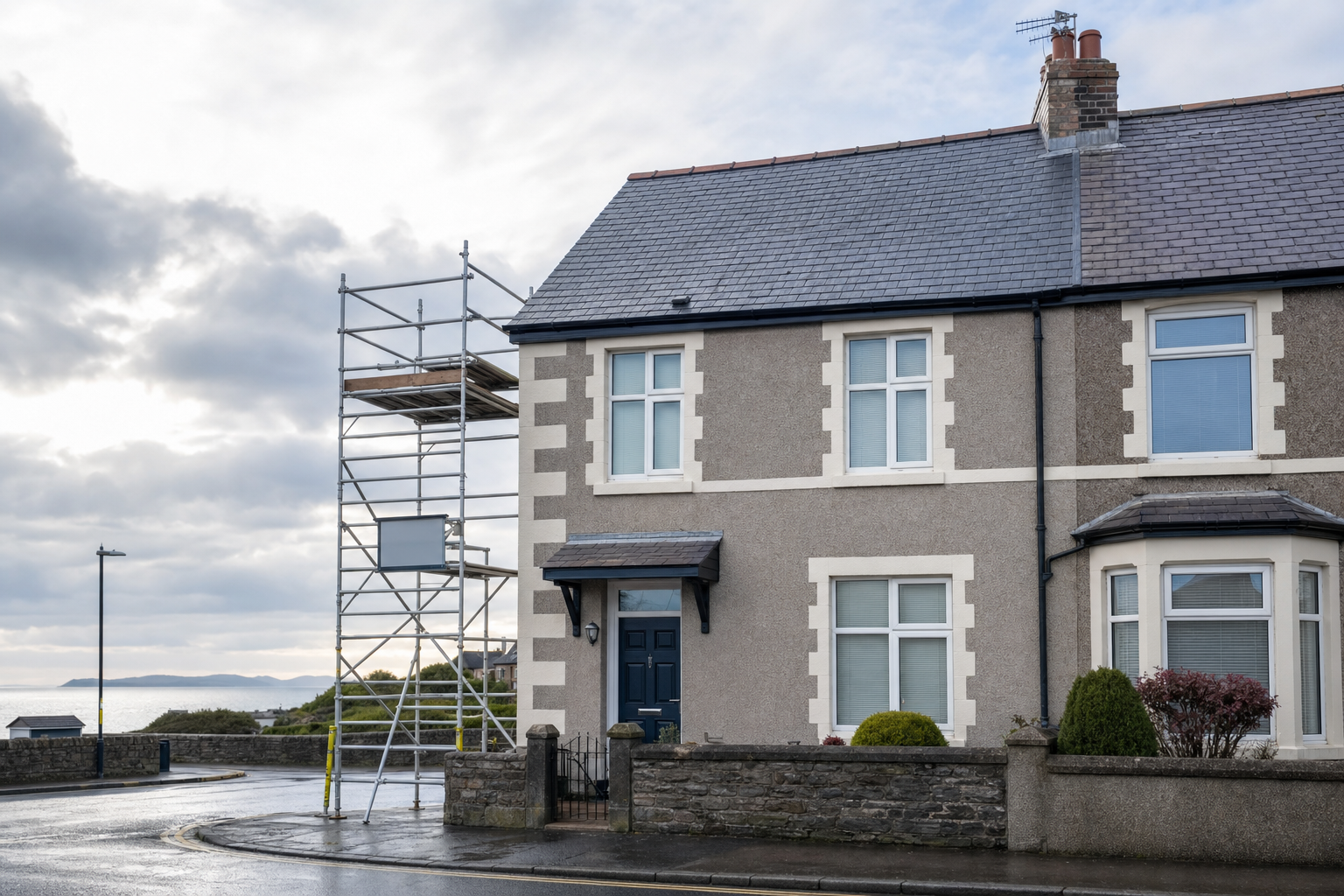
Why people ring Fell Roofing in a hurry
Make-safe work first
We act on the exposed defect first so water and weather have less chance to do further harm.
Calm advice under pressure
You get a clear explanation of the immediate risk and what needs doing next to secure the roof.
Repairs, not just a quick patch
Emergency action leads into the repair needed to restore the roof’s weather protection.
Fast action when the roof has given way
Some roof problems can wait for a quote. Active leaks, storm damage, slipped slates, ridge failures, chimney trouble and sudden water ingress are not in that group. When you call Fell Roofing for emergency roof repairs, the first aim is simple: respond to the incident, make the affected area safer, secure the roof as far as conditions allow and stop further weather getting into the building. That can mean dealing with the exposed section first and then carrying out the repair needed to restore proper weather protection. If water is already coming through the ceiling, the roof has shifted in high winds or debris has fallen, a fast call is the right move.
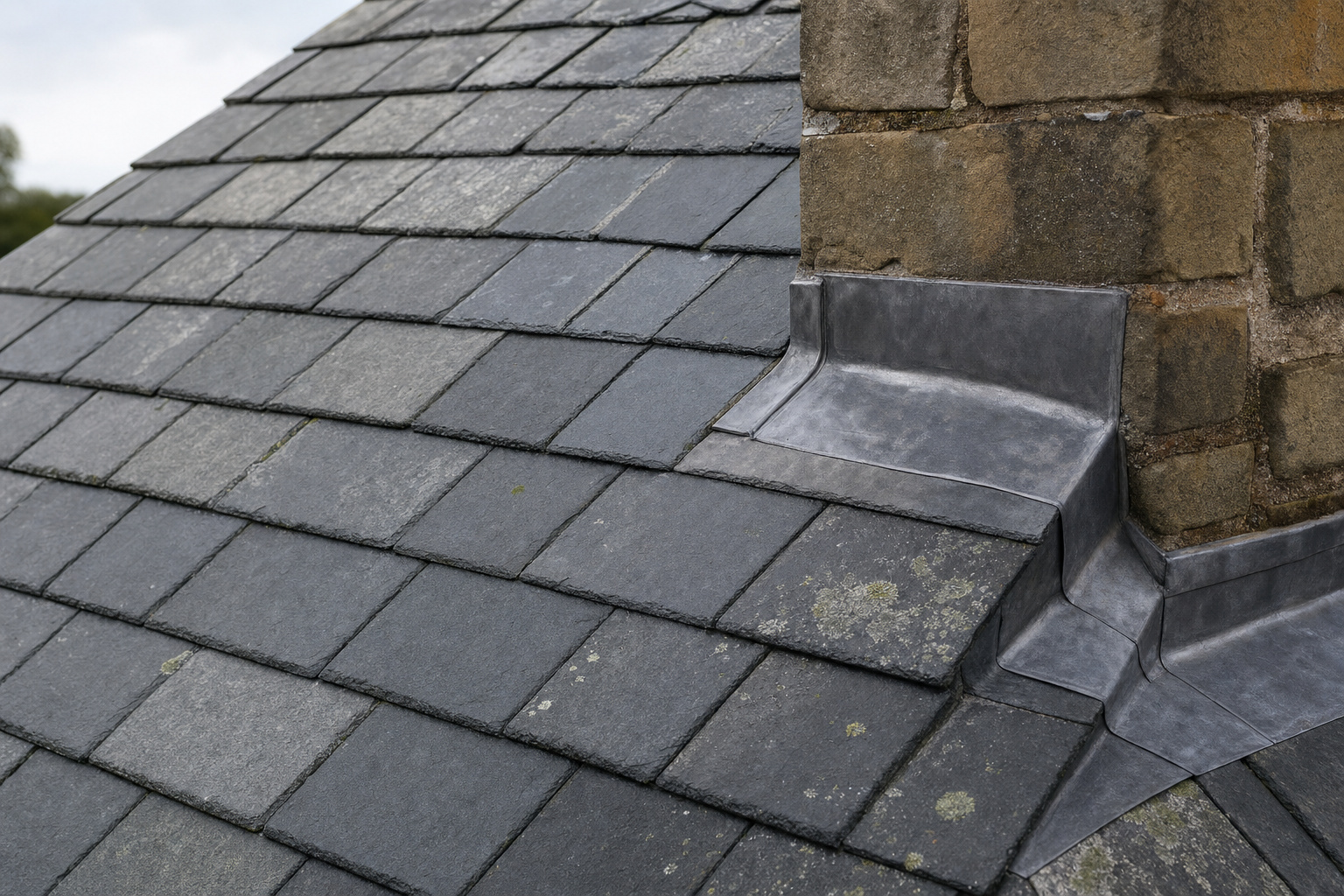
What helps us judge the urgency quickly
The useful details are the plain ones. Tell us where water is entering, when the problem started, what damage you can see from ground level and whether anything has fallen or become unsafe. That helps us understand what sort of emergency we are heading into and what the first visit needs to prioritise. In a genuine call-out, we focus on the defects causing active exposure, then explain what further repair work is needed if the damage extends beyond the first visible fault. A call to Fell Roofing is the main route for urgent help, because roof emergencies rarely improve while a message sits waiting.
Frequently asked questions
What counts as a roofing emergency?
An active leak, storm damage, fallen or slipped slates, a failing ridge, chimney defects causing sudden water ingress or any roof issue that leaves the property exposed should be treated as urgent. If the problem is getting worse in real time or has made an area unsafe, it is worth calling straight away.
What information should I have ready when I call?
The key details are where the water is coming in, when the issue started, what visible damage you can see, and whether anything has fallen or become dangerous. Even a simple description helps us judge the likely cause and decide what the first visit must focus on when we arrive.
Do emergency visits include the full repair?
That depends on the damage and the conditions at the time. The first aim is to secure the roof, reduce further water entry and deal with the defect causing active exposure. If more extensive work is needed once the roof is safe, we explain that clearly and set out the practical next step.