
Why stubborn leak work comes to Fell Roofing
The route gets traced properly
We follow likely water paths through roof layers before deciding which repair will stop them.
Junctions checked with coverings
Valleys, ridges and chimney details are assessed with the surrounding roof, not in isolation.
Internal symptoms kept in context
The ceiling stain matters, but the repair belongs at the point weather enters from outside.
The wet patch is not always under the defect
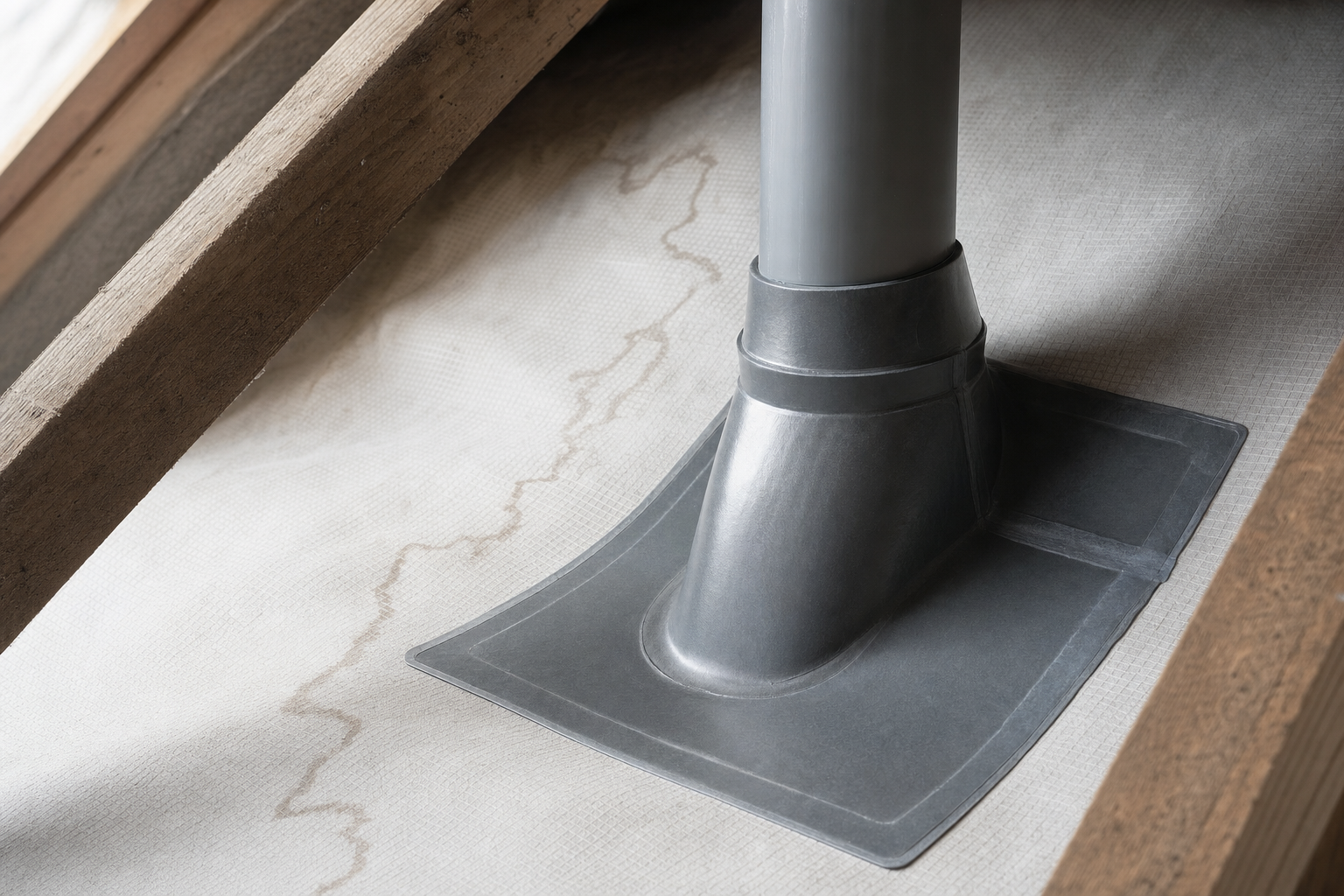
A roof leak can be awkward because the point where you see water inside is often not the point where it came in. Water may track along timbers, membranes or other hidden paths before it finally shows itself on a ceiling or wall. That is why a diagnosis-led approach matters. With Fell Roofing, we investigate damaged coverings, failed junctions, ridges, valleys, chimney details and low-pitch waterproofing to work out the true route of entry before repair work starts. If you have active dripping, spreading stains, damp roof timbers or leaks that return during wind-driven rain, the roof needs attention at the outside layer rather than another round of wiping up the inside symptom.

Repairs aimed at the outer cause, not the stain
A leak only stops properly when the roof covering and its related weatherproof layers are put back into sound condition. Treating internal damage alone might tidy the room, but it does nothing to stop the next spell of rain following the same path. We focus on restoring the fault at roof level, whether that sits in the main covering, a valley, a ridge, a chimney interface or a worn low-pitch area. A quote from Fell Roofing helps you move from suspicion to a practical repair plan, which is usually far more useful than guessing from where the damp patch happens to show itself.
Frequently asked questions
Why is the damp patch not directly below the roof fault?
Because water often travels before it appears. It can run along timbers, membranes and other roof elements until it finds an easier place to drip or soak through. That is why the visible internal mark is only a clue, not proof of the exact entry point on the outside of the roof.
What parts of the roof do you inspect for leaks?
We look at the obvious and less obvious leak points, including damaged tiles or slates, ridges, valleys, chimney interfaces, low-pitch waterproofing and other junction details where water can get past the outer layer. The aim is to identify the true path of entry before any repair is proposed.
Will fixing the inside stain solve the roof leak?
No. Internal decorating or drying out can only deal with the result of the leak, not its cause. The real fix is restoring the outer roof covering and the weatherproof layers tied to it, so water stops entering the structure in the first place rather than simply being hidden for a while.